

I only recommend products and services that I use myself. This post contains affiliate links. If you use these links to buy something I may earn a commission at no additional cost to you to support the on-going maintenance of the site. You can read the full disclaimer here.
Hey mummies (& daddies)! I’m Elissa, a first-time IVF mummy to a lovely 19-month-old toddler girl. Welcoming a baby into the world is a life-changing experience, but let’s not sugar-coat it – postpartum recovery is no walk in the park. That’s why I believe in a well-planned confinement period – and hence this confinement checklist article to help you get started.
As a modern mum, I believe in embracing traditional practices where they could potentially benefit me, blending them with what works best in today’s context. My perspective? Confinement offers an opportunity for rest, recovery, and nourishment – and I DEFINITELY deserve it after 9 months of carrying baby. Which is why I did a total of 4 months of confinement at home – 2 months of strict confinement and 2 months where I loosened up abit.
This guide for the modern Singaporean woman focuses on what you, the mum, need during confinement. We’ll cover everything from personal care items to emotional well-being. For baby-related necessities, I’ve linked relevant resources to keep this confinement checklist all about you. So, let’s dive in!
Confinement Must-Haves: Personal Care & Hygiene
The first few weeks (heck even months) after giving birth can be physically taxing. These confinement checklist essentials were critical in helping me, and hopefully you, recover as comfortably as possible:
Maternity Pads or Disposable Underwear
Postpartum bleeding (lochia) can last for weeks, so you’ll need reliable and comfortable options. Brands like Kotex maternity underwear are great for convenience. It’s a high waisted disposable underwear that’s reasonably comfortable. Most importantly, you don’t have to worry about the pad moving out of place. I practically lived in these for the first month.
High-Waisted Underwear
Especially for C-section mums, high-waisted designs avoid irritating your incision while providing gentle support. Trust me you don’t want anything that rub against your wound. I can’t recall which I got, but any high waisted ones should work.
Compression Tights & Binders
These can aid in abdominal support and circulation. I was given both by the hospital and used them regularly. Compression tights only for the first week or two. And binders up till 2 months. But it’s always consult your doctor before use, especially post-surgery.
Scar Creams and Patches
Managing C-section scars with silicone-based creams or patches can improve healing and minimize scarring. I diligently put them on for the first few weeks and didn’t continue after even though the healing effects were there. Now I kind of regret it to be honest. If I could turn back time, I would continue with it for the early few months.
Maternity Pyjamas
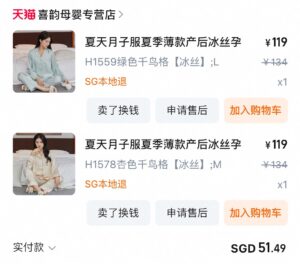
Choose lightweight, long-sleeved, and breastfeeding-friendly options with elastic waistbands. They’ll keep you away from the “cold” while keeping everything breezy because trust me you’ll be sweating 24/7. I bought some “Ice Silk” maternity pyjamas from Taobao which was pretty good – I used it throughout the 4 months and more.
Socks & Bedroom Slippers
To avoid “cooling” effects, which are traditionally believed to affect recovery. Plus, they’re just cosy! I personally did not like my bare feet touching the cold floor, so these were perfect for me. TBH any brand will do. I bought some fluffy socks and fluffy slippers because I like their texture.
Postpartum Massages
Great for relaxation, reducing water retention, and improving circulation. If you’re breastfeeding, lactation massages can help relieve clogged ducts. I only managed to get started after a few weeks (doing only back and leg massages and no pressing of my tummy) after clearance from my gynae post c-section.
Massages are very personal, so I would say, do some trials and see whether you like it before signing a whole package. I did a few trials of different postpartum massage companies but only liked one, and since I vibed with my masseur I decided to just go with her. She was also very knowledgeable and helped me alot on my lactation journey.
Support Tools For Getting Out Of Bed
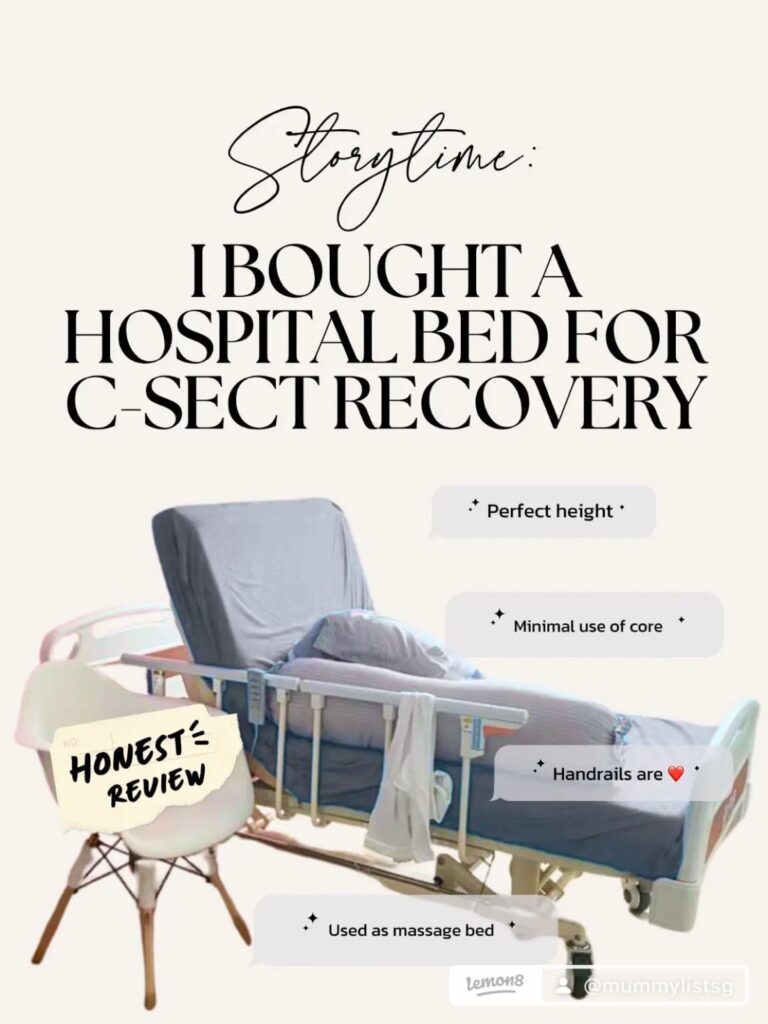
Bed rails or adjustable hospital beds can make getting up easier, especially for C-section mums. I never thought how difficult it would be to get out of bed until I tried for the first time in the hospital. Read about how I cried during my first attempt to get out of bed post C-section! In my opinion, anything that can minimize that pain is essential. P.S I wish I could use bedrails, but my bed is just a mattress on a platform, so it cannot work – hence this was my next best alternative.
Bed Rails:
Confinement Checklist: Nutrition & Herbal Recovery Aids
Your body needs fuel to heal and thrive. These items ensure you stay nourished and hydrated:
Hydration is Key
Red Date Logan Tea: This traditional drink boosts blood circulation and milk supply. Prepare a large batch daily. I drank a full cup before each pumping session (8X a day). My TCM physician friend helped me procure the necessary ingredients and my nanny just brewed a fresh pot daily.
Milo (Australian Variant): Known for its higher malt content, this version is a comforting and nutritious energy booster. Great alternative for when you are tired of red date tea – because after a while you will.
Thermos Flask: A must-have to keep your drinks warm throughout the day. I personally swear by the Thermos brand because it has worked amazingly well to keep my drinks warm – throughout the night even!
Herbs & Supplements
Confinement Herbal Bundles: There are different herbal shops that now offers convenient postpartum soup packs that save time and effort. I got mine from Heng Teng Fong – and it comes with a schedule on what to prepare for each day. I bought a 28 day soup only package . I liaised with them entirely on WhatsApp and it was all delivered to me when I needed it.
I also got herbal shower sachets for my showering in the initial two months. I showered only with herbal water for the first two weeks. Then started to use shower gel and shampoo on top of herbal water.
Lactation-Boosting Herbs: Tong Cao supposedly helps to “open the milk ducts”. I discovered Tong Cao only when my confinement nanny recommended it in the first few days when she saw me struggling to pump anything. This can be found at most traditional medicinal stores.
Supplements: On top of traditional confinement herbs, I also continued to take supplements which were prescribed during my postpartum visit to my gynae – most similar to pre-pregnancy supplements. And also some others which was recommended by my lactation masseur. See the full list in the article linked below.

Nutritious Postpartum Meals
Confinement Nanny: Hiring a confinement nanny not only provides hands-on help with baby care but also ensures nutritious meals are prepared daily to support your recovery. She prepares almost 5-6 meals (yes I had a ravenous appetite) on top of 1-2 herbal soups from my confinement herbal soup packs A DAY.
Confinement Food Delivery Services: If cooking isn’t an option, meal delivery services specializing in confinement food can be a lifesaver. They often include warming ingredients like ginger and sesame oil, essential for recovery. What I’ve heard from some mums is that they would order 2 weeks from one service provider and another 2 weeks from another just to ensure there’s some variety.
Confinement Breastfeeding Must-Haves
If you’re breastfeeding (be it direct latching or pumping), these items can definitely help make the journey smoother:
Nursing Bras
Invest in soft, stretchy bras that provide easy access. Your breasts and nipples will be EXTRA sensitive (and in some cases like mine, in pain) hence anything soft with quick access for breastfeeding or pumping will be helpful. I tried 7 different types and reviewed them in the article below.

Engorgement, Breastfeeding & Pumping Relief
When your milk supply starts to ramp up, you’ll likely experience a phenomenon known as engorgement. This involves your breasts feeling like it’s going to explode from too much milk, and in some cases becoming hard as stone if you don’t remove milk on time. This can be painful to say the least. Breastfeeding in some cases can also hurt (especially if baby isn’t latching properly or if your flange sizes are wrong). So I personally kept hot/cold compress pads handy for soothing sore breasts (only using the icing function), and nipple creams to help with the cracking and soreness. These are just the tip of the iceberg, but I have a full list of useful items in the article below.

Or also consider speaking to professionals who can help you feel better.

Comfortable Nursing or Pumping Setup
Aside from having the essentials above, you’ll want to create a cosy nursing or pumping station – because you’re going to have to nurse/pump almost every 2-3 hourly.
In my case, this was at my living room table with my pumping equipment, a comfortable chair, back pillow, with my snacks and drinks all within reach. For breastfeeding, this was at my rocking chair, with a breastfeeding pillow for cushioning baby against my wound.
Confinement Checklist: Emotional Well-Being (IMPORTANT!!!)
While most people proactively plan for their physical recovery, not many do the same for their mental health. Because I was worried about postnatal depression, I proactively prepped to support my mental health as well. Remember, your mental health is just as important as your physical recovery!
Professional Help
If you’re feeling overwhelmed, seek resources for postnatal depression. It’s okay to ask for help. I’ve compiled a list of Sg-based resources that you can reach out to conveniently. I personally arranged weekly check-ins with a maternity wellness counsellor at Clarity SG, even while pregnant. My counsellor continued with these check-ins with me during the postpartum phase – VERY helpful for anyone who feel like they are need of someone to talk to.

Mental Health Boosters
While I personally do not use any of these, I can imagine how things like journaling, meditation apps, or calming books can provide a much-needed escape and outlet for mothers during the postpartum phase. Even if it’s just for a few minutes a day, I think it’s extremely important to have that me-time.
For me, it was spending some time with my husband to catch up on a Netflix show just to unwind amidst the busyness of the day.
Support Systems a.k.a Your Village
The saying that it takes a village to raise a kid couldn’t be more true. However, the modern village comes in many forms. From family, friends to hired help like domestic helpers and confinement nannies, any trusted person who can help lighten the load – don’t hesitate to lean on them.
In our case, we didn’t have any help from our family in person as we did not want any potential conflict during such a sensitive period. Instead, we leaned heavily on our confinement nanny & domestic helper to help us get through the roughest newborn period.
I also had the support of many amazing mummies from my IVF group chat, and my inner circle friends who had plenty of mummy wisdom to share (I was one of the last few to become a mum). And I’m always so thankful for that!
My Personal Confinement Lessons
Sharing from my own experience, these were the practices and items that truly made a difference:
- Long Pyjamas & Socks: Wearing them consistently seemed to prevent “cooling” effects, and I noticed my body was a lot stronger post confinement than pre-pregnancy.
- Herbal Baths: Not only relaxing but also effective in improving circulation.
- Avoiding Cold Drinks: After following traditional advice to avoid cold drinks for almost 2-3 months, my chronic period pain significantly reduced.
- Washing Hands with Warm Herbal Water: Skipping this occasionally led to finger joint pain, which disappeared when I resumed using the warm herbal water.
- Drinking Milk-Boosting Drinks: I drank red date tea and milo religiously. These worked wonders for my supply.
- No Heavy Lifting: Avoiding strain in the first month or two helped me avoid significant backaches over time which I’ve heard many mums suffer from.
Myth or fact? While some might see these as superstitions, I believe in the philosophy of “only upsides, no downsides.” The result of my 4 month confinement? My body constitution which was incredibly weak pre-pregnancy is soooooo much stronger now. I have less back pain than previously, no joint pains, no massive aches or pain in general. So trust me when I say me in the present day, is so incredibly thankful to postpartum me for insisting on giving myself a proper confinement to rest and recuperate well.
Confinement Reminder: Take Care of Yourself First
If you need a reminder that your body has undergone 9 months of intense changes, and that it needs more than just a few days of rest to properly recuperate – here’s one from one mummy to another.
Remember, a healthy and happy mum is the cornerstone of a thriving newborn. If you’re not well, you won’t be able to care for your baby properly. Prioritizing your recovery isn’t selfish (no matter what anyone says) —it’s necessary. If there’s a trusted adult available, let them take the lead on caring for baby while you focus on healing.
Remember, your recovery matters. Take it one day at a time, and give yourself all the care and comfort you deserve! Start your confinement preparation early, and don’t hesitate to invest in yourself. Want to chat more about this topic? Drop us a DM over on Instagram @mummy.list!
For more baby prep articles scroll to the bottom!
Find this article on Confinement Checklist: An SG Mum’s Postpartum Recovery Must-Haves useful? Do help share this article with your fellow mummy and daddy friends and spread the love! It’s not easy putting all this information together and I do hope for more to benefit from it! For more baby essentials and helpful tips, check out our other articles here:




One comment on “Confinement Checklist: SG Mum’s Postpartum Recovery Essentials”