
The content on our parenting website is provided for informational purposes only. It is not a substitute for professional advice and should not be construed as such. We strive to provide accurate and up-to-date information, but the ever-evolving nature of parenting and healthcare may necessitate changes. By using our website, you agree to the terms of this disclaimer. For more details please go to our Disclaimer Page.
Hey mummies (& daddies)! I’m Elissa, a first-time IVF mummy to a lovely 18-month-old toddler girl. Let me confess—I’ve been a fitness slacker for over a decade. But when pregnancy brought on relentless backaches and pelvic floor worries, I knew I had to find something effective yet gentle. That’s when I discovered Prenatal Pilates, and later, Postnatal Pilates—and wow, what a difference it made!
Let’s face it, not all workouts suit the unique demands of pregnancy and postpartum recovery. But Pilates? It gave me relief for my back aches, and developed strength in my core I never knew I had. My amazing personal experience during pregnancy was all it took to turn me into a full-fledged advocate for these exercises. Yes I recommend it to ALL of my pregnant friends – and of course to my community of pregnant Singapore mums now too!
But hey, don’t just take it from me. I’ve tapped into insights from certified Pilates experts all over Singapore who specialize in guiding mums like us through these transformative chapters to share more about the incredible benefits Prenatal & Postnatal Pilates brings to the table for mums. Read on to learn more!
A big thank you to the following amazing certified prenatal & postnatal pilates experts who contributed their expertise to this article:
- Breathe Pilates
- Core Fitness Physiotherapy & Pilates
- Grounded Spaces
- Inspire Mum & Baby
- Pilates Fitness
- The Core Reformery
- Your Mama Tribe
What is Prenatal Pilates?
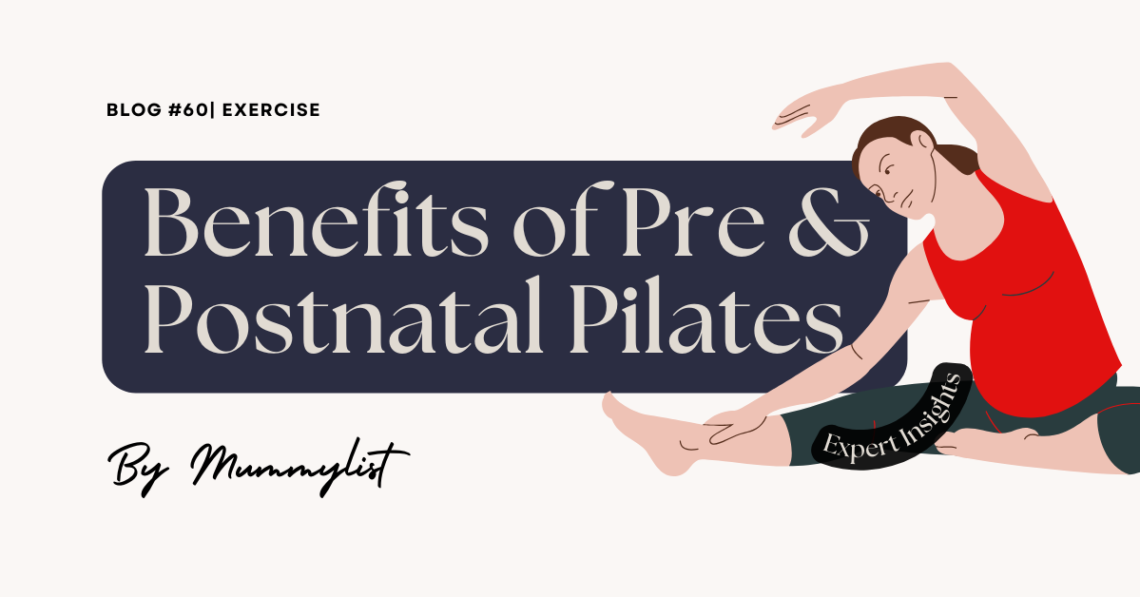
Prenatal Pilates is a specialized form of Pilates designed to support and strengthen the body during pregnancy. While traditional Pilates focuses on building core strength, flexibility, and alignment, prenatal Pilates adapts these principles to meet the unique needs of expecting mums. It prioritizes exercises that are safe for pregnancy and helps prepare the body for labour, delivery, and postpartum recovery.
Why Is It Suitable For Pregnant Women Compared to Other Forms of Exercise?
- Breathwork: Breathing techniques are integrated to support relaxation, manage stress, and prepare for labour.
- Modifications for Safety: Prenatal Pilates avoids positions or movements that may strain the abdomen, back, or pelvic floor, such as intense core exercises or lying flat on the back for extended periods (especially after the first trimester).
- Focus on Pregnancy-Specific Areas: Emphasis is placed on strengthening the pelvic floor, back, and hips to support the growing baby and reduce common pregnancy discomforts like backaches or poor posture.
- Gentler Movements: Exercises are adjusted to be gentler and more mindful, accommodating the physical changes and energy levels that come with pregnancy.
Benefits of Prenatal Pilates: Building Strength for Motherhood
1. Strengthens Core and Pelvic Floor Muscles
One of the main benefits of prenatal Pilates is its focus on activating the deep core muscles and strengthening the pelvic floor. These muscles are essential for:
- Supporting the growing bump, reducing strain on the lower back, and improving overall posture.
- Preparing for childbirth: A strong pelvic floor enhances endurance during labour and promotes a smoother delivery.
- Preventing complications like pelvic organ prolapse, urinary incontinence, and diastasis recti: Targeted core work ensures abdominal and pelvic muscles are strengthened, to provide more support during pregnancy.
2. Improves Postural Alignment & Reliefs Aches
As your pregnancy progresses, your centre of gravity shifts, often leading to backaches, rounded shoulders, and a forward-tilting pelvis. Prenatal Pilates helps:
- Restore balance by encouraging body awareness and correcting postural shifts.
- Alleviate the aches and pains caused by poor alignment
3. Enhances Flexibility and Mobility
Pilates incorporates gentle stretching that increases flexibility, helping the body adapt to pregnancy changes. Improved flexibility can reduce muscle tension, allowing for smoother and more comfortable mobility during pregnancy and labour
4. Relieves Stress and Boosts Mental Well-being
Pregnancy can be physically and emotionally demanding. Pilates focuses on mindfulness and breath control to:
- Calm the mind and alleviate anxiety.
- Improve oxygen flow, benefiting both mother and baby.
- Foster emotional resilience and mental clarity
5. Teaches Breathing Techniques for Labour
Pilates emphasizes controlled breathing, which helps manage pain during labour. These breathing techniques also increase energy efficiency, promoting smoother breathing during pregnancy and delivery
What is Postnatal Pilates?
Postnatal Pilates is a gentle and restorative form of exercise tailored to the unique needs of women after childbirth. It focuses on rebuilding core strength, improving posture, and aiding recovery from the physical demands of pregnancy and delivery. Unlike general Pilates, postnatal Pilates specifically targets areas weakened or affected during pregnancy, such as the abdominal muscles, pelvic floor, and lower back.
How Does it Help With Postpartum Recovery?
- Core Recovery: Helps rebuild strength in the abdominal muscles, especially if separated (diastasis recti).
- Pelvic Floor Health: Focuses on restoring pelvic floor strength to manage or prevent postpartum incontinence.
- Posture Improvement: Alleviates aches from breastfeeding, carrying the baby, or prolonged sitting.
- Stress Relief: Incorporates breathing and mindfulness to reduce stress and support emotional well-being.
And very importantly, a safe and supportive way for mums to ease back into fitness, and restore their body’s strength after the journey of pregnancy and childbirth.
Benefits of Postnatal Pilates: Supporting Holistic Recovery
1. Aids in Core Rehabilitation
After childbirth, 60% of women experience diastasis recti (abdominal muscle separation), leaving the core weakened. Postnatal Pilates helps:
- Rebuild the deep core muscles to close the abdominal gap.
- Strengthen the pelvic floor, which can reduce the risks of incontinence and support overall recovery
2. Relieves Postpartum Discomfort
Caring for a baby often leads to tension in the upper back, neck, and shoulders. Postnatal Pilates includes:
- Exercises that target shoulder stability and ease neck strain.
- Gentle movements that relieve back pain and improve overall mobility
3. Promotes Emotional Well-being
Postnatal Pilates helps mothers reconnect with their bodies in a positive and empowering way. The benefits extend beyond the physical:
- Reduces feelings of overwhelm and anxiety often experienced in the postpartum period.
- Boosts mood, confidence, and overall mental well-being.
4. Prepares for a Return to Regular Fitness
Postnatal Pilates lays the foundation for a gradual return to more intense workouts. It helps:
- Rebuild stamina and strength.
- Prepare mothers to engage in more strenuous activities while keeping their bodies aligned and injury-free.
Looking for a Prenatal Pilates / Postnatal Studio?
Convinced of the benefits of prenatal pilates but don’t know where to start looking? Fortunately for us mums, Singapore offers a wide range of Pilates studios specializing in prenatal and postnatal Pilates. For a curated list of studios offering certified programs with certified instructors tailored to new mothers needs, check out our comprehensive guide: The Best Prenatal and Postnatal Pilates Studios in Singapore.

Starting Your Prenatal Pilates Journey As A Beginner?
As someone who has gone through it before, here are some additional tips to make the most of your prenatal and postnatal Pilates journey:
- Start Small: Begin with gentle sessions tailored to your fitness level. For complete beginners, I would also recommend starting with a private or smaller group sessions.
- Focus on Form: Proper alignment is key to avoiding injuries and getting the most out of your Pilates practice. You know your body best, so stop, and voice out if there’s any discomfort. I personally dislike instructors who like to PUSH people – I met only ONE in my entire journey, and I switched her out promptly. Which leads to my next point.
- Look for Certified Instructors: There are many pilates studios in Singapore, but not all are certified to work with pregnant ladies. Ensure you are working with an instructor who is trained and certified in prenatal and postnatal Pilates to safely modify exercises for your body.
- Consistency is Key: Aim for at least 1-2 sessions per week to see the best results. I personally did 1 session weekly from the second trimester all the way to almost the last few weeks before I gave birth. And to this day, I would say that my body really reaped the benefits of it.
FAQs About Prenatal Pilates & Postnatal Pilates
Q: Is Pilates safe for all pregnant women?
Pilates is generally safe and gentle, making it a great option during pregnancy. However, it’s crucial to consult your gynae before starting, particularly if you have complications such as placenta previa or preeclampsia. A doctor’s advice ensures your safety and helps tailor the practice to your needs.
Q: Can I practice prenatal Pilates with pregnancy conditions?
Pilates can often be adapted for conditions like lower back pain or mild pelvic girdle pain. However, always discuss your specific condition with your gynae and work with a certified prenatal Pilates instructor to modify exercises as needed.
Q: When can I start prenatal Pilates?
The ideal time to start is during the second trimester when your body has adjusted to pregnancy, is more stable, and the risk of morning sickness or fatigue is lower. Remember, you’ll need approval from your gynae before beginning.
Q: When can I start postnatal Pilates?
Most mums can begin postnatal Pilates six weeks after delivery, but this depends on your recovery and any complications. For C-section deliveries, a longer healing period may be required. Always wait for clearance from your gynae or healthcare provider.
As a C-section mum, I personally got the go-ahead at around 8 weeks to start light exercises, but I knew my body best, and only really started at 12 weeks, but became only way more regular months after. Not because I didn’t want to, but motherhood really overwhelmed me at the start haha. But better late than never!
Q: How does Pilates help with diastasis recti?
Pilates focuses on the deep core muscles, to gently close the gap caused by diastasis recti. Exercises are designed to rebuild strength without straining the abdominal wall, helping it heal over time. I personally did not face this issue and I attribute it to my regular prenatal exercises that strengthened my core (something which I learnt later could reduce chances of abdominal separation).
Q: How does Pilates help postpartum recovery?
Postnatal Pilates aids recovery by targeting weakened areas such as the core and pelvic floor, improving posture, and relieving tension in overworked muscles. Additionally, its mindfulness elements can reduce stress and support mental well-being, essential for new mums adjusting to life with a baby.
Ready to Start Your Prenatal Pilates Journey?
Whether you’re preparing for labour or recovering from childbirth, prenatal Pilates and postnatal Pilates are perfect for supporting your body and mind during one of life’s most transformative journeys.
If you’re ready to experience the benefits of Pilates, check out the Pilates studios we’ve linked to above and begin your journey to a stronger, more confident you. Have you tried Pilates during your pregnancy or postpartum recovery? Share your experiences with us and help other mums discover the benefits of Pilates!

Find this article useful? Do help share this article with your fellow mummy and daddy friends and spread the love! It’s not easy putting all this information together and I do hope for more to benefit from it! For more baby essentials and helpful tips, check out our other articles here:




One comment on “Prenatal Pilates: Experts Share Why Pregnant Mums Should Try It!”