The content on our parenting website is provided for informational purposes only. It is not a substitute for professional advice and should not be construed as such. We strive to provide accurate and up-to-date information, but the ever-evolving nature of parenting and healthcare may necessitate changes. By using our website, you agree to the terms of this disclaimer. For more details please go to our Disclaimer Page.
Hello Singapore mummies (and daddies), if you’re searching for tips on how to potty train a toddler, this “guide” is for you. Potty training is one of those milestones everyone talks about, but nobody really prepares you for. The emotions. The self-doubt. The endless wiping of pee off the floor. The urge to give up after day five (yes this was me!).
We started potty training my daughter at 27 months old, and what I learnt very quickly is this:
Potty training isn’t a 3/4/5/7-day project like some may claim. It’s messy, frustrating at times, and overall a big emotional transition — for both parent and child.
So, if you’re searching for how to potty train a toddler, here’s my honest, real-life experience potty training my 27-month-old — what worked, what failed, and what I wish I knew earlier as a Singapore first time mum. Not here to scare you, but to give you a heads up on what reality is really like. P.S This might be a pretty long read, so sit tight or jump ahead to the relevant section if you need.
Jump ahead to Section
How to Potty Train A Toddler: Our Timeline
May – Gentle Exposure & Normalising the Toilet
A few months ahead of the actual “potty training” we decided to slowly expose her to the potty going process. We didn’t start with a toilet timetable or strict routine. We started with familiarity.
Since my girl loves following me everywhere (including the toilet), so I simply started verbalising what I was doing:
“Mummy is peeing now”
“After peeing, we need to wipe with toilet paper”
“Now we throw it into the toilet bowl, press the button to flush, and wash our hands with soap!”
Not sure if this is officially recommended, but it worked for us. She slowly became curious about the toilet going process. We also made it a point to borrow potty training books from the library to make it a normal conversation topic, and introduce her to potty training related terms.
July & Aug – Research Mode & Buying Supplies
I finally sat down and read the first few chapters of our potty training book and several potty training forums properly. If you’re completely clueless on how to potty train a toddler -this might be helpful! For me, this gave me a good enough heads up of what to expect AND I realised one key thing:
It’s ideal to have at least one uninterrupted week (or at least a weekend) to kickstart potty training.
So instead of rushing into it, I planned ahead and blocked out a calm week with no major outings.
I then started purchasing items I thought were “essential”. There’s a lot of noise online about what you MUST buy for potty training — but honestly, some items are over-marketed and unnecessary. I’ll go into the actual must-haves in the section “Potty Training Products: What Do You Actually Need?“
September – Aligning All My Stakeholders & We Begin!
Before we started, I re-read the early chapters again, and summarised key points for my husband and helper so everyone in the household would follow the same approach. As with everything from our sleep routines, to mealtime routines, consistency matters!
P.S If you need my summarized key points, drop me a message on IG and I’ll send over a screenshot of my tips!
Week 1 of Potty Training
This was hands down the most stress-inducing week of my life (post newborn days).
- Commando phase – we just did no diapers, no pants in the house
- Cleaning pee after pee (and sometimes poop) on the floor
- Feeling frustrated she “wasn’t getting it”
- Constant washing, wiping, changing
- Feeling cooped up at home – we didn’t go anywhere because I didn’t want to confuse her wearing diapers out during this “critical” phase
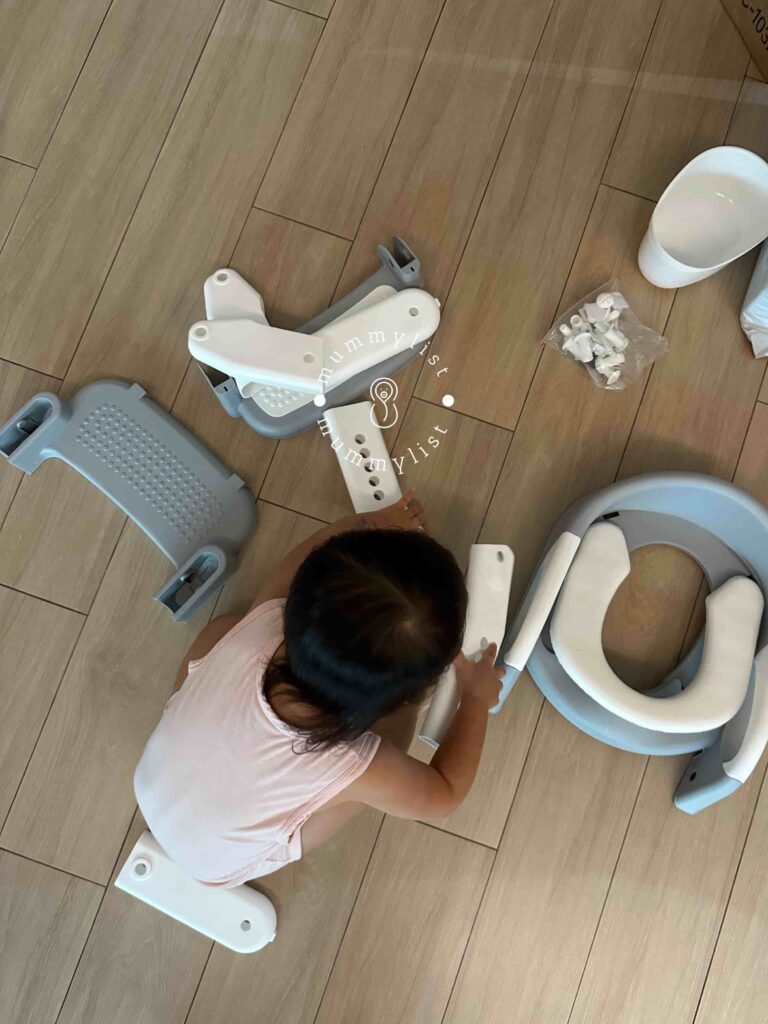
By day 5, I was ready to throw in the towel and try again in a month or two. I genuinely thought she wasn’t ready. So I loosened up, told myself I’d give it one last day, and if it didn’t work out, it just didn’t. Funnily enough, she suddenly started telling us when she wanted to pee. By day 7, she was consistently self-initiating pees and poops in the toilet.
My take? While I never pressured her directly, she probably could sense my stress. Once I relaxed on Day 5, she likely felt less stressed and comfortable with the entire process.
How We Progressed After That
As you can tell by now, I’m quite the methodical person. I like to follow things step by step — plus, it’s recommended by the book I read. We didn’t feel the need to rush things; in fact, moving slowly helped her acclimatize to each new stage.
- After 1 week: Underwear instead of going commando
- After 2 weeks: Shorts over underwear
- After 3 weeks: Short outdoor trips (20 mins → 30 mins → 40 mins → 50 mins → 1 hour)
When visiting family for long periods, we brought along a portable potty to reinforce the behaviour in unfamiliar environments.
Accidents still happened in between, but as adults we stayed calm and reminded her, “Let’s make it to the toilet next time!“. An important thing to note: We do not say “It’s okay” because it isn’t okay. Instead we focus on what we should do next time instead.
October – Mostly Daytime Trained
One month into the “training”, she still wore diapers for nap time (2.5-3 hours) and bedtime (12 hours). We considered weaning her off the diapers entirely this period, but alas the whole family took turns falling sick, so we decided it can wait.
An important reminder: It’s okay for plans to be derailed. Don’t force it when you don’t have the capacity or if your child is feeling unwell.
Accidents still happened occasionally, especially when she was emotionally overwhelmed. We realised her bladder control weakens significantly when she’s upset — so now we can better anticipate and guide her.
November – Overseas Travel & Regression Fears
Not going to lie, I was very worried about potential regression after a week long trip overseas where she was back on diapers basically the whole time.
But surprisingly, she still asked to use the toilet whenever we were back in the hotel and returned to her toilet routine once home.
Third month in, she now prefers the adult toilet and sees her standalone potty as a backup (and what we bring out). We even managed a bus trip and car ride without diapers most recently— and yes, that felt like a major milestone.
Tips That Helped Me Potty Train a Toddler
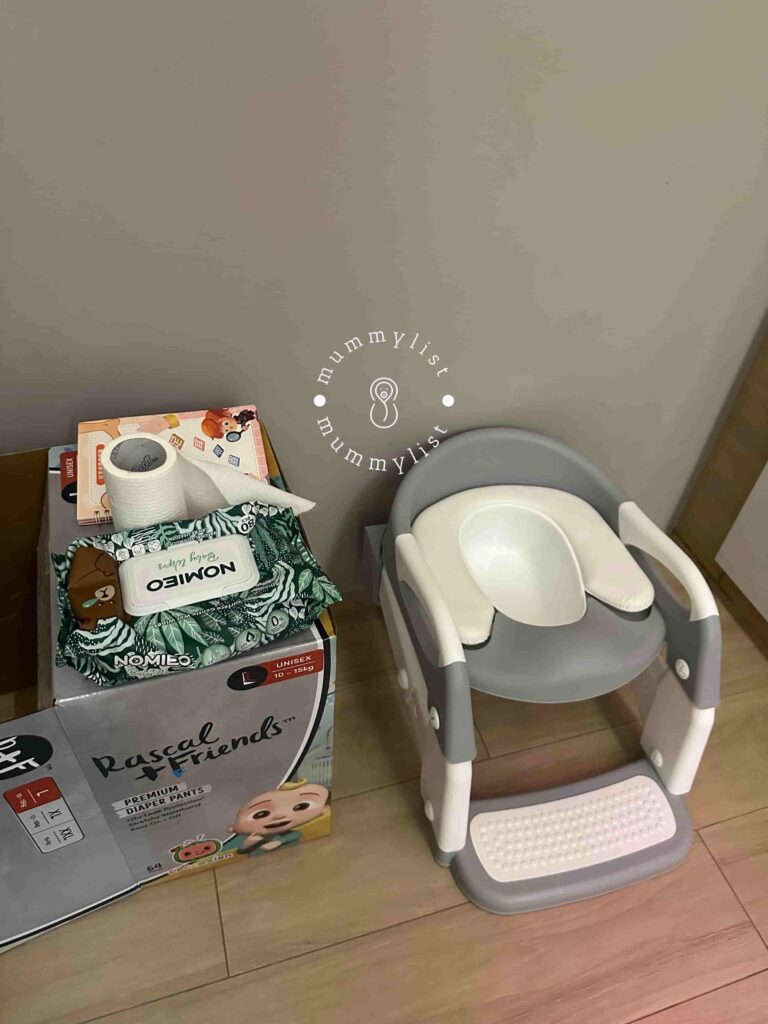
- Do not nag, pressure, threaten them to pee/poop instead learn to read their (facial/physical) signals and familiarize yourself with their patterns.
- Prompt regularly but don’t be upset if they don’t want to go (upon waking, before sleeping, before going out of the house, when arriving at a new place, before sitting down for a long time, or after sitting down for a long time – are good times to prompt I find).
- If they say they need to pee, DROP EVERYTHING you’re doing and go! At the start they really cannot hold their bladder.
- Make a big fuss about starting potty training – make a show off it “You are big girl now and you’ll be peeing and pooping in a toilet/potty like and adult! I’m going to teach you and it’ll be very fun!” Yay
- Make a big fuss about their toilet successes – when they pee successfully/poop successfully in the potty or toilet, give them a hi-five, dance happily together, cheer (I did this for almost 2-3 weeks straight- was it tiring? Yes, but I think my daughter really gained confidence with it)
- Encourage them to drink LOTS of fluids, so they need to pee more and so there’s more practice
- Don’t use your phone in the initial few days, because you need to catch the look in their eye or physical signal (standing very still, crouching down, going to a corner etc) – it’s different for every child, much like their signals for being hungry/tired, but you’ll come to learn it
- Practice peeing and pooping in DIFFERENT situations so they get used it it in different environments – if like me you think outside mall toilets are too much of a germ fest, try first in your family members or friend’s homes
- Don’t tell them it’s okay to pee or poop on the floor if they have an accident – because it’s NOT okay. Just remind them, “you are learning, next time poop or pee goes into the toilet/potty”
Potty Training Products: What Do You Actually Need?
1. Somewhere for them to pee or poop.
This could come in the form of a:
- Standalone potty
- Kids toilet seat (for placing on top of a regular toilet bowl)
- Convertible potty + toilet training seat (2-in-1 combined)
- Portable potty
Being the over-preparer I am, I ended up getting 3 of the 4 types. They all have their pros and cons. Do you need all of them? Likely not. But the 3 I got did come in handy for different phases of the potty training thus far.
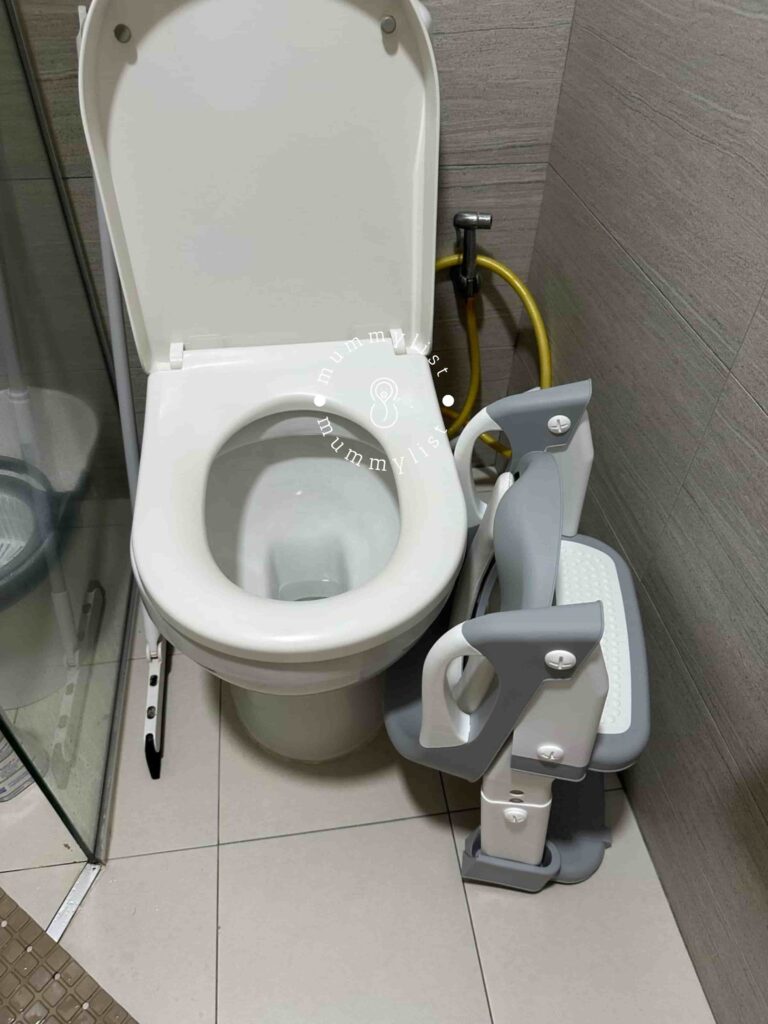
Kids Toilet Seat
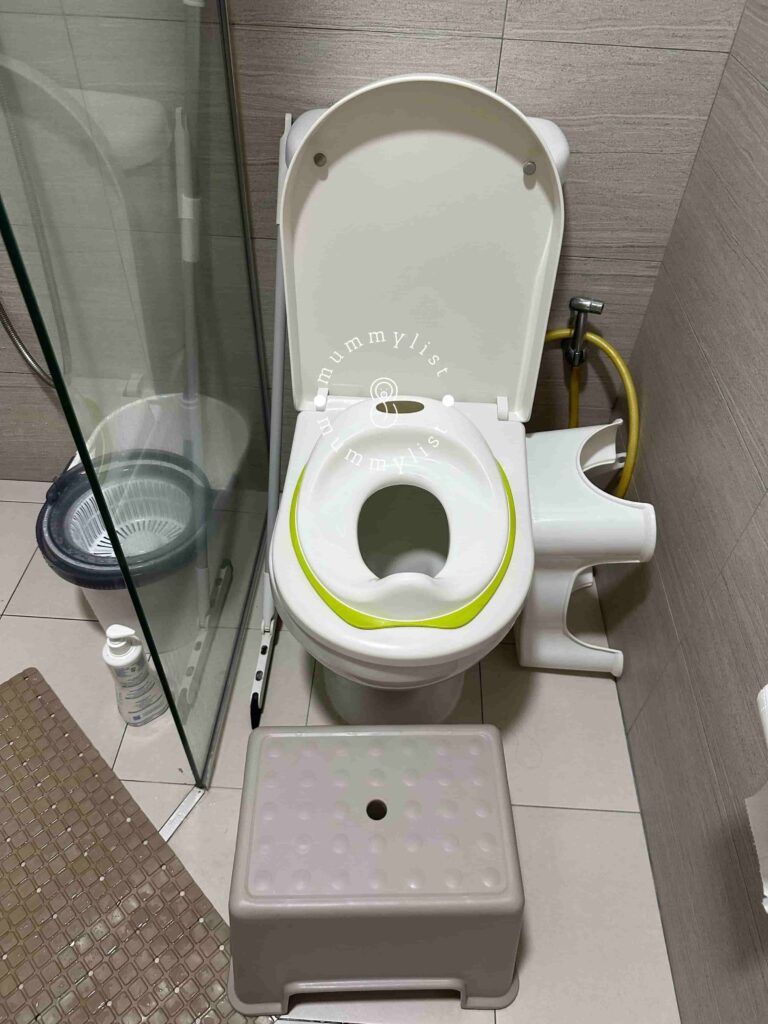
We started with this because we thought it would be the most convenient since we wouldn’t need to wash an additional potty. But I guess, she wasn’t too comfortable with it at the start, because she has never sat in a position like this before.
Pros: You don’t have to wash a separate item after every pee/poop. And it also gets them used to the toilet bowl.
Cons: You have to physically lift your kid up and down every time because they are likely too short
But interestingly, after 2+ months, she actually prefers this option the most! Now, she uses the help of the stool + holding the side of the shower stall to get up herself.
Ours was the Ikea one. There are other foldable options on Shopee and Lazada you can consider if you plan to use for outside toilets too!
2 in 1 Convertible Potty + Toilet Training Seat (With Ladder)
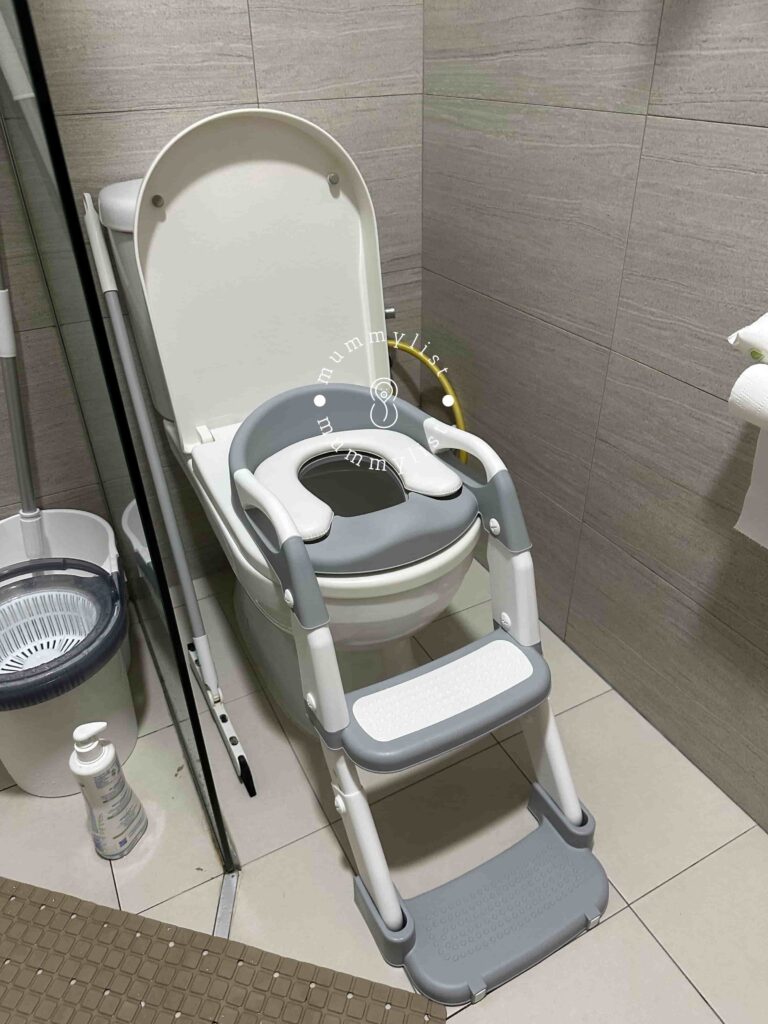
I got this shortly after I realized the kid toilet seat wasn’t working at the start. The novelty of sitting on the potty got her interested for a few weeks, and when she got bored of it, I changed it to the ladder toilet seat and she got excited again to use the adult toilet.
Pros: Much more easily accessible than the regular toilet bowl because it’s toddler sized. From the very beginning, my kid could easily use it herself without our help. And it’s MUCH faster to reach in “emergencies” since the toilet could be occupied or further away.
Cons: It’s bulkier than the kids toilet seat, (but it folds away nicely). But the biggest cons is that you have to wash the potty after every use.
Portable Potty
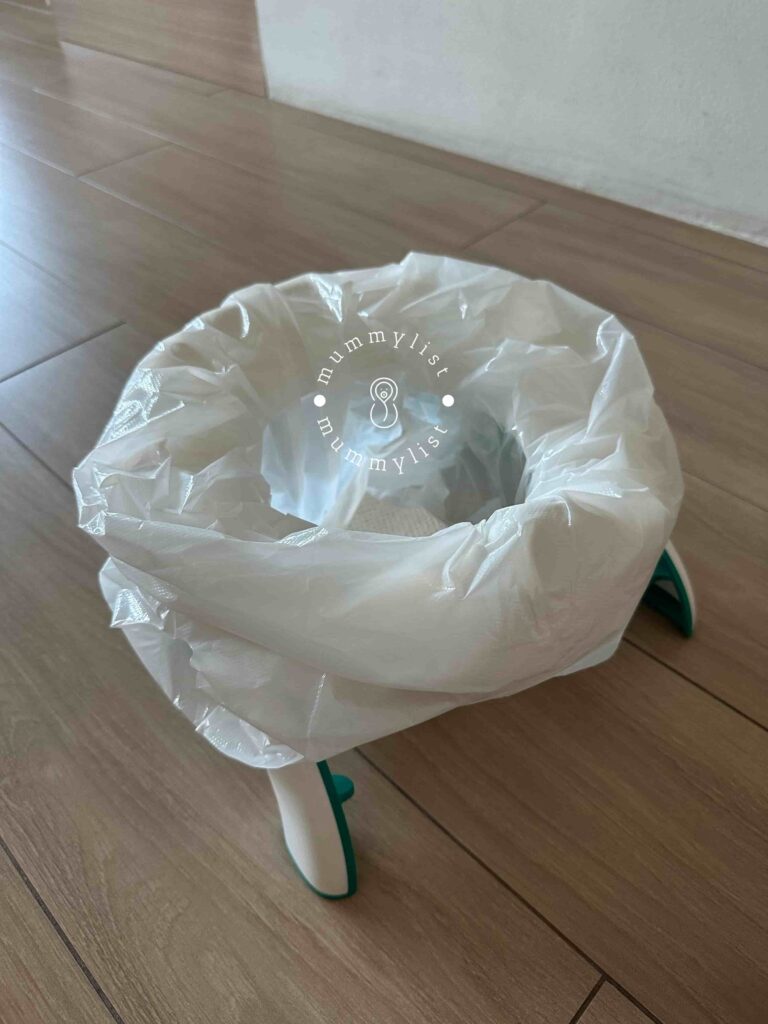
I got this very portable version when we started to go on more outings and other people’s houses. But you could use the 2-in-1 convertible potty too if you didn’t want to spend extra on another item.
Pros: This is also toddler sized and is VERY portable due to its small size. And takes up very little space. It uses plastic bags so you don’t have to wash up after every pee or poop.
Cons: It’s not so environmentally friendly because it uses plastic bags.
Ours is the Oxo Tot which is OOS everywhere. I got mine on Carousell. I’ve linked options that look the cloest to this.
2. Stool to stand on for washing their hand
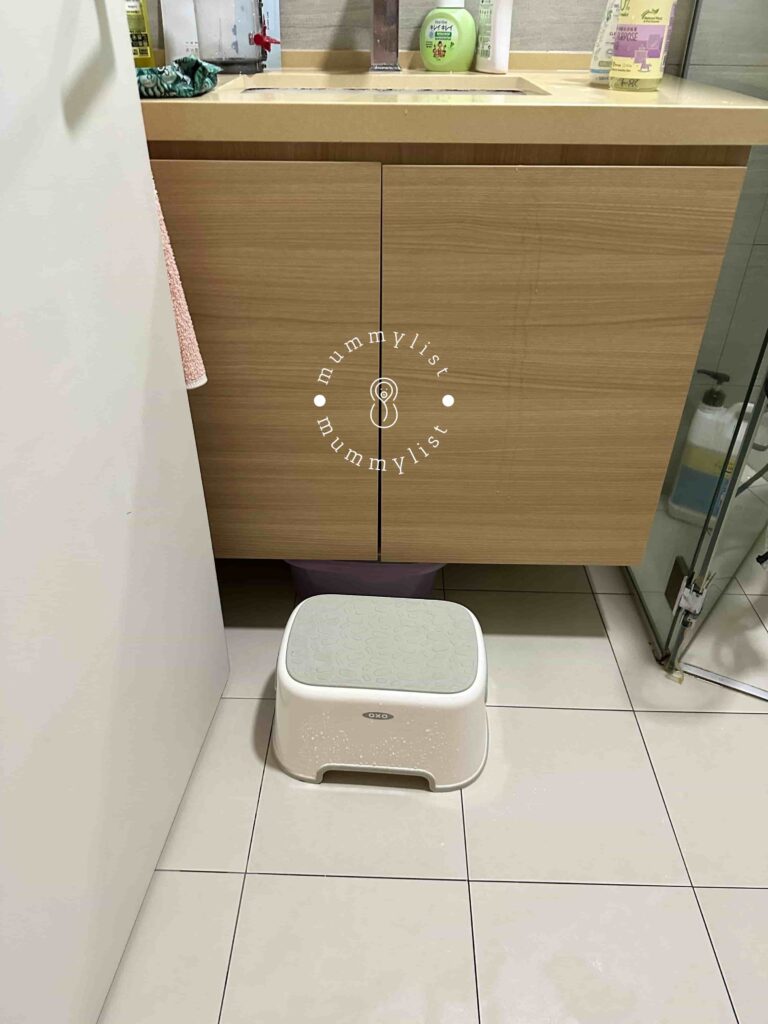
I decided to teach the entire process of going to the toilet as a whole – so this included flushing the toilet, washing your hands and wiping them dry after.
However due to their height, you either have to carry them (very hard for me) or use a stool to help them reach the height. Honestly it’s not rocket science about getting a stool, but the key is to get something anti slip here since the toilet is always wet.
Our choice of anti slip stool is the Oxo Tot (also not very available) but this other version on Lazada look pretty good too!
3. Disinfecting sprays and wipes to clean up after messes
Potty training involves a lot of messes and clean ups, so mentally prepare yourself for it. My tip is to stock up with lots of your regular cleaning material for pee/poop messes at home. Here’s what we use:
- Biograde sanitizer (alcohol sanitizer) for sanitizing potty area, toilet areas, and accidents
- Airtumtec sanitizer once a week around potty areas, and after any accidents
- Spray bottle – We use this spray bottle for sanitizing with Biograde because it has a big spray area
- Kitchen rolls for most effective wiping up of pee and poop messes
- Wet wipes – We just continue using our regular favourite baby wet wipes
For extra hygiene during the initial week full of accidents, we also make sure to mop the living area during her nap times and bedtimes to reset the spaces.
4. Underwear For Your Potty Training Toddler
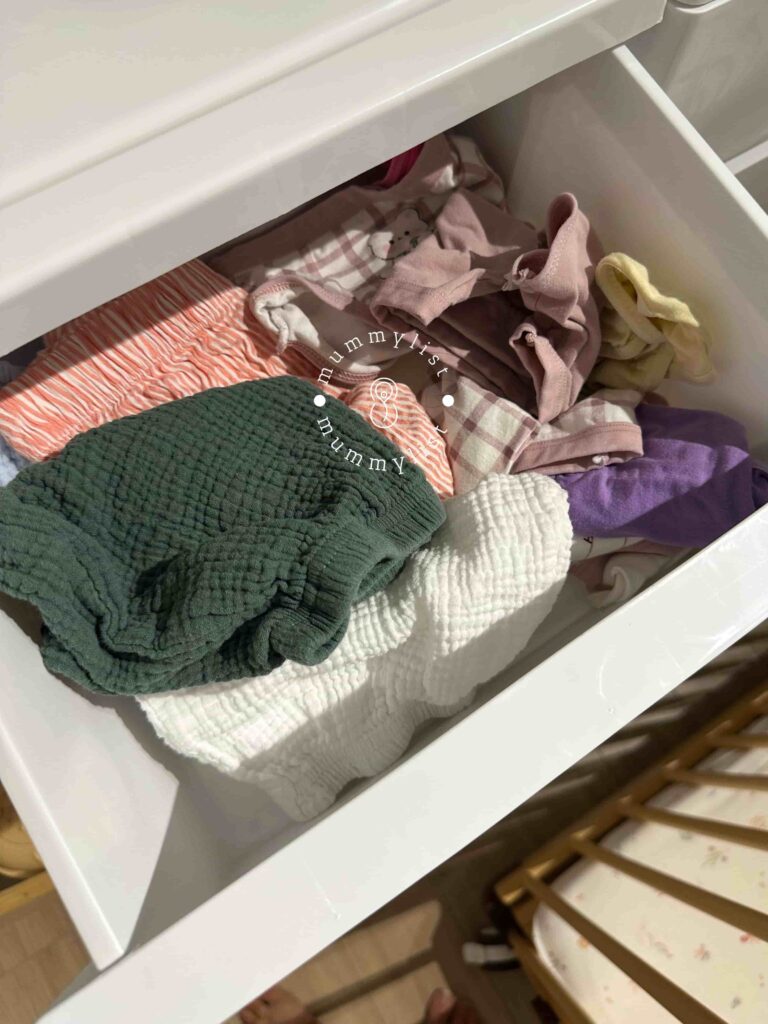
It’s time for them to wear underwear! The book I read, recommended going to normal underwear, NOT training underwear, because the latter feels snug like diapers which kind of defeats the purpose.
When picking out their first underwear, I just look out for comfort. Cute or interesting designs could help if you know your kid gets motivated by those!
My two choices of toddler underwear that we’re still using:
Tip: Buy a few to try out for size, then quickly buy more because they will have lots of accidents in the initial weeks to months. And you don’t want to run out of underwear. We currently have 12 that we rotate.
5. Lots of Shorts For Your Potty Training Toddler
Loose shorts are your best friend during potty training. Especially in the initial phase (shortly after commando phase) when you need to get their bottoms off super quickly to help them get to the toilet. Trust me, long pants at this stage is just a headache – you’ll end up washing lots of long pants.
Once I realized this fact, I quickly stocked up on loose shorts. And like underwear, you’ll need lots of them! We now have 8 that we rotate.
What’s Next After Daytime Potty Training?
Now after 3 months, I think I can confidently say we’re more or less done with daytime potty training. We have reached a point where accidents are much less frequent and she’s comfortable using the toilet in most environments.
So what’s next?
Based on the next chapters of the book (and my own realistic expectations), here’s my plan:
- Start weaning diapers for naps
- Then gradually wean diapers for bedtime
- Reinforce proper wiping for peeing (she kind of goes through the motion now)
- Encourage fully independent handwashing
These are things I foresee my now 30‑month‑old managing in the next 3–6 months. My biggest anticipated challenge? Teaching her to clean up properly after a poop. We still wash her down at home, but that’s something I’ll have to slowly guide her through next.
Will have a “How to potty train a toddler (part two)?” article for that when we succeed!
How To Potty Train a Toddler FAQs (To be added!)
Have any burning questions about how to potty train a toddler in Singapore’s context? Drop me a message in the comment box below or DM me over on Instagram. I’ll be consolidating some of the most common questions to answer here!
A Little Mum Wisdom to End Off
As you can see, potty training doesn’t stop after week one…or even month one. It’s not a race, and there’s no ideal timeline. Your toddler is learning a brand new life skill.
Go slow. Stay patient (I know it’s easier said than done). Celebrate the tiny wins! And on the rough days, remind yourself that this is a temporary season.
If you’re already in the thick of it now, you’re doing great mummy!
And if you need some solidarity from a fellow mum who’s just gone through this, feel free drop me a message to chat about it on Instagram!
If You Found This Helpful…

Find this article “How to Potty Train a Toddler: What Worked for My 27-Month-Old” useful? Come hang out with me on Instagram for more real-time tips and honest sharing: @mummy.list 💛
You can also check out more comprehensive articles on guides to first time motherhood, unfiltered reviews of baby products and checklists to help you get through the fuzz right here on our website.